More than 2 travelers? Ask for a group proposal.
The stretch between Zamora and Puebla de Sanabria serves as an important link between the Via de la Plata (as its Route 4) and the Sanabres Way, one of the main routes of the Camino de Santiago. This section offers a quieter, less crowded alternative to other Camino routes, allowing travelers to experience both cultural heritage—such as Romanesque churches and medieval architecture—and the natural beauty of northern Spain.
Once we’ve arrived in Puebla de Sanabria, we can continue along the Camino Sanabrés, which branches off from the Via de la Plata to Santiago de Compostela, offering a more direct and scenic path through the mountains and into Galicia. This connection makes the Zamora–Puebla de Sanabria stretch a vital link for those seeking a balance of history, solitude, and natural landscapes on their pilgrimage.
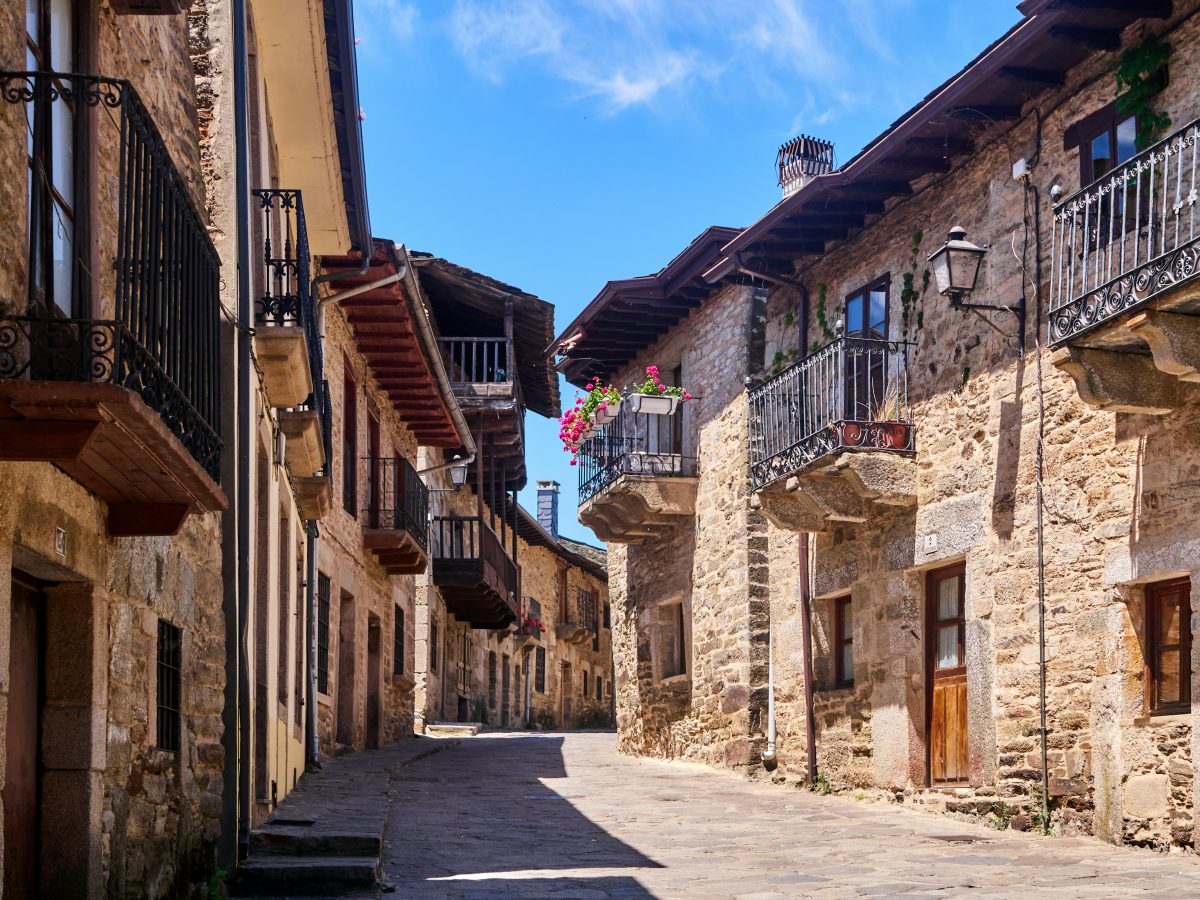
Photo of Juan Gomez on Unsplash
Zamora, located in the northwest of Spain along the Duero River, is a city renowned for its exceptional Romanesque architecture. Often referred to as “the city of Romanesque art,” it boasts one of the highest concentrations of Romanesque churches in Europe. Walking through Zamora’s historic center, we encounter narrow cobbled streets, charming plazas, and centuries-old buildings that reflect its medieval past.
The city’s fortifications and castle dominate the skyline, offering panoramic views of the river and surrounding plains. The Zamora Cathedral, with its distinctive Byzantine-style dome and impressive cloisters, is a central landmark and a symbol of the city’s religious and cultural heritage. Many of the smaller Romanesque churches, such as San Pedro, San Juan, and Santiago del Burgo, preserve original features and artworks, making the city a living museum of the Middle Ages.
Zamora also has a vibrant cultural life and culinary tradition. Its location in the fertile Duero valley supports local gastronomy, including specialties such as bacalao a la tranca (salted cod) and fine local wines from the Toro and Arribes regions. The city’s combination of history, architecture, and peaceful atmosphere makes it a memorable stop for us on the Camino.
The stage from Zamora to Montamarta is a relatively short and gentle walk, making it an easy introduction for those beginning the Camino. Leaving Zamora, we cross the Duero River and gradually leave behind the urban landscape to enter open countryside. The terrain is mostly flat, with wide agricultural fields, paths along rural tracks, and occasional stretches near the road. This stage is characterized by tranquility, offering us a calm and reflective walk through the Castilian plains.
As the route approaches Montamarta, the landscape becomes slightly more varied, with gentle hills and the presence of the Ricobayo Reservoir in the distance. Montamarta itself is a small village, notable for the silhouette of its church standing near the reservoir. Despite its modest size, the town has a strong pilgrim tradition and offers basic services.
The stage from Montamarta to Granja de Moreruela continues through the quiet landscapes of the Castilian plateau. We walk along open countryside with expansive views, crossing agricultural fields and rural paths that highlight the solitude and simplicity of this section. The terrain is mostly flat with only gentle slopes, making it a manageable stage, though exposure to the sun and wind can be challenging, especially in summer. Along the way, small villages provide short breaks and glimpses of local life.
Arriving at Granja de Moreruela is especially significant, as this town marks an important crossroads for us. Here, the Camino Sanabrés officially branches off from the Via de la Plata, offering the option to continue northwest toward Ourense and Santiago de Compostela through the mountains of Zamora and Galicia. Granja is also known for its historic Cistercian monastery, whose ruins remain a reminder of the town’s medieval importance. This stage, therefore, not only offers a peaceful walk but also serves as a turning point in the pilgrimage journey.
The stage from Granja de Moreruela to Tábara marks the true beginning of the Camino Sanabrés after the split from the Via de la Plata. The route starts with a steady climb through rural landscapes, offering wide views over fields, small valleys, and occasional streams. The environment becomes greener and more varied compared to previous stages, reflecting the gradual transition toward the more rugged terrain of northern Zamora. Although not particularly difficult, the distance and lack of shade can make this stage demanding, especially in warmer months.
Tábara, the destination, is a town with deep historical and cultural significance for pilgrims. It is renowned for its medieval scriptorium, where important illuminated manuscripts were produced, and for its Romanesque church of Santa María. This stage stands out not only for the sense of entering a new, more diverse landscape but also for the strong cultural heritage awaiting us at the end of the day.
The stage from Tábara to Santa Marta de Tera offers a pleasant balance of rural scenery and historical charm. The route follows gentle terrain, crossing fields, oak groves, and small streams, with stretches of solitude that invite reflection. We pass through quiet villages where we can rest and experience the simple rhythm of rural life in Zamora. Compared to earlier stages, the landscape begins to show more variety, foreshadowing the gradual shift toward the greener lands further west.
Santa Marta de Tera, the endpoint, is a highlight due to its Romanesque church of the same name, considered one of the oldest on the Camino Sanabrés. On its façade stands the famous sculpture of the Apostle Santiago as a pilgrim, believed to be one of the earliest depictions of him in this role. This makes the town an important spiritual and symbolic stop along the route. The stage, while not overly demanding, combines natural beauty with historical and cultural depth, enriching our journey both physically and spiritually.
*Once in Santa Marta, a transport service will take us to Camarzana de Tera, where we'll stay to rest. The next morning, the service will return us to Santa Marta to continue the Camino from where we left off.
The stage from Santa Marta de Tera to Rionegro del Puente offers a mix of natural landscapes and small villages with historical interest. We follow rural paths through fertile valleys and wooded areas, passing through towns such as Calzadilla de Tera and Olleros de Tera. The route also skirts the shores of the Tera River and its reservoir, where the presence of water contrasts with the farmland and provides a refreshing change of scenery. This makes the stage longer but rewarding, with diverse landscapes and a few opportunities to rest in the villages along the way.
Rionegro del Puente, the destination, is notable for its Sanctuary of Nuestra Señora de la Carballeda, an important Marian shrine with medieval origins that has long been a spiritual reference for pilgrims. The town also offers traditional architecture and a welcoming atmosphere for us. The combination of river landscapes, historical villages, and a significant sanctuary makes this stage both physically engaging and culturally enriching, serving as a meaningful stop on the Camino.
*Once in Rionegro del Puente, a transport service will take us to Camarzana de Tera, where we'll stay to rest. The next morning, the service will return us to Rionegro del Puente to continue the Camino from where we left off.
The stage from Rionegro del Puente to San Salvador de Palazuelo continues through the quiet and rural landscapes of Zamora. We walk along forested paths, agricultural fields, and stretches of open countryside, enjoying the peaceful rhythm of the route. Villages such as Mombuey and Cernadilla offer short stops, where traditional stone houses and Romanesque churches reflect the deep historical roots of the region. The terrain is moderate and not especially demanding, though its simplicity highlights the solitude and natural beauty of the Camino.
San Salvador de Palazuelo, the endpoint, is a small settlement with an important cultural landmark: its Romanesque church, dedicated to El Salvador, which has been declared a historic monument. This well-preserved building stands as a reminder of the medieval heritage of the Camino and provides us with a meaningful place to pause and reflect. Though modest in size, the village’s atmosphere and its historic church make this stage memorable, blending natural landscapes with cultural treasures along the way.
The stage from San Salvador de Palazuelo to Puebla de Sanabria is one of the more demanding stretches of the Camino Sanabrés. The route takes us through a succession of small villages such as Entrepeñas and Asturianos each with traces of traditional architecture and a quiet rural atmosphere. The landscape grows increasingly varied, with forests of oak and chestnut, rivers, and the gradual appearance of mountain terrain. These changes signal the transition from the Castilian plateau to the more rugged landscapes that will lead into Galicia.
Puebla de Sanabria, the destination, is one of the most beautiful and historically significant towns on the Camino Sanabrés. Its medieval quarter is crowned by the 15th-century Castle of the Counts of Benavente, offering panoramic views of the surrounding mountains and valleys. As a cultural crossroads and strategic location, Puebla de Sanabria provides not only a rich historical experience but also a sense of arrival at the threshold of Galicia, marking an important milestone for us.
Puebla de Sanabria, a picturesque town in the province of Zamora, holds a special place on the Camino Sanabrés. This charming medieval town offers us a fascinating blend of historical landmarks and natural beauty that are deeply connected to the Camino.
One of the main attractions in Puebla de Sanabria is the Castillo de los Condes de Benavente, a 15th-century castle that dominates the town’s skyline. It serves as a reminder of the region’s medieval past and is closely tied to the pilgrimage tradition. The castle has been beautifully preserved and now houses a museum that tells the history of the area and its connection to the Camino de Santiago.
Another important site is the Iglesia de Santa María del Azogue, a church that dates back to the 12th century. Its Romanesque architecture and impressive façade provide a peaceful space for reflection and prayer, making it a perfect stop for those following the Camino.
For those interested in natural beauty, Puebla de Sanabria offers access to the Sanabria Lake Natural Park, one of the largest glacial lakes in Spain. While not directly related to the Camino itself, the park offers us a tranquil escape into nature and a chance to recharge before continuing our journey. The lush landscapes and serene waters provide a perfect setting for contemplation, adding a unique dimension to the pilgrimage experience.
The “from” price is for one traveler. When travelers share a room, the booking total is adjusted automatically.
| Travelers | Adjustment to booking total |
|---|---|
| 2 travelers sharing | −748,00€ from the booking total |


